
Digital
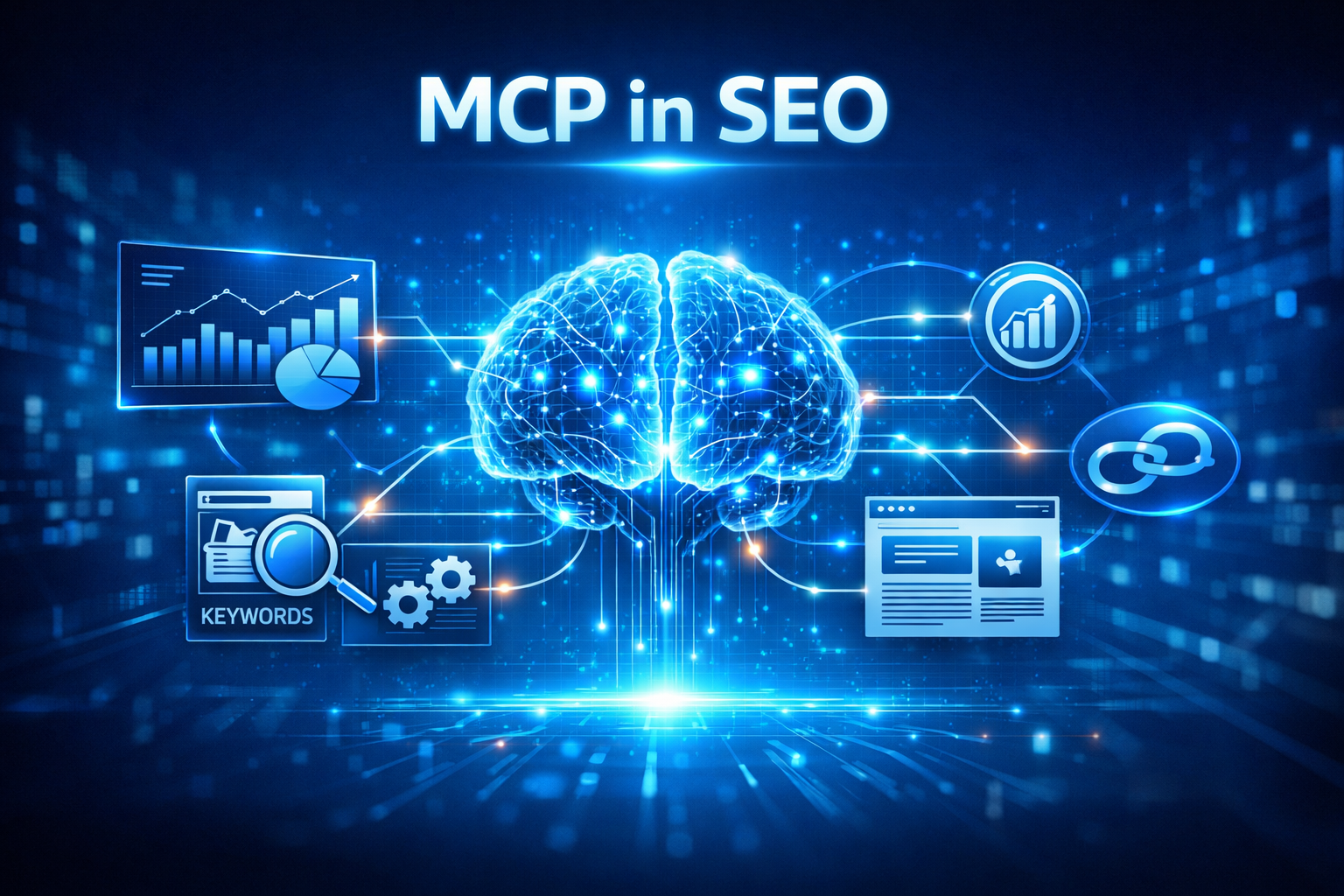
The SEO landscape is evolving rapidly, and traditional methods are no longer enough to stay competitive. With the rise of AI-driven search and automation, a new concept is gaining attention—MCP (Model Context Protocol).
MCP is transforming how SEO professionals collect data, generate insights, and execute strategies. Instead of juggling multiple tools manually, marketers can now create intelligent workflows that automate and optimize the entire SEO process.
In this article, we’ll explore what MCP is, how it works, and how you can integrate it into your SEO projects for faster and smarter results.
What is MCP (Model Context Protocol)?
Model Context Protocol (MCP) is an open standard that allows AI systems to connect with multiple tools, platforms, and data sources in a unified way.
Think of MCP as a bridge between:
- AI models
- SEO tools
- Analytics platforms
- Content management systems
Instead of switching between tools, MCP enables AI to access and process data from all sources simultaneously.
Why MCP is Important for Modern SEO
Search engines like Google are increasingly focused on:
- user intent
- content relevance
- real-time data
To match this evolution, SEO professionals need:
- faster data analysis
- smarter insights
- automation at scale
MCP helps achieve this by enabling:
- real-time SEO decision-making
- AI-powered automation
- seamless tool integration
Traditional SEO vs MCP-Powered SEO
Traditional SEO Workflow
- Export data from tools
- Analyze manually
- Create reports
- Implement changes
MCP-Based Workflow
- AI connects to all tools
- Data is analyzed instantly
- Insights are generated automatically
- Actions are recommended in real time
This shift saves time and significantly improves efficiency.
How to Implement MCP in SEO Projects
1. Connect Your SEO Tools
Start by integrating your core platforms:
- Google Search Console – keyword performance & indexing
- Google Analytics – user behavior insights
- Ahrefs or SEMrush – backlinks and keyword data
With MCP, these tools can communicate with your AI system in one workflow.
2. Automate SEO Audits
MCP allows AI to:
- detect technical issues
- identify low-performing pages
- analyze keyword gaps
Instead of spending hours on audits, you can generate detailed reports in minutes.
3. Improve Content Strategy with AI
Content is still the backbone of SEO, but MCP enhances how it’s created.
AI can:
- analyze top-ranking competitors
- extract semantic keywords
- identify entity relationships
- generate optimized content outlines
This approach aligns perfectly with modern strategies like:
- Entity SEO
- Semantic SEO
4. Smart Keyword Clustering
MCP enables automatic keyword grouping based on:
- search intent
- topic relevance
- user behavior
This helps in:
- creating better content silos
- improving internal linking
- targeting multiple keywords efficiently
5. Technical SEO Automation
MCP-powered systems can monitor and optimize:
- broken links
- page speed issues
- mobile usability
- structured data
This ensures your website stays technically strong without constant manual checks.
6. Scale Local SEO & GMB Optimization
For local businesses, MCP can:
- identify trending local keywords
- analyze competitors
- generate optimized Google Business Profile posts
This is especially useful for agencies handling multiple local clients.
7. Automated SEO Reporting
Instead of static reports, MCP enables dynamic reporting:
- real-time performance updates
- actionable recommendations
- automated weekly insights
This improves client communication and builds trust.
Benefits of Using MCP in SEO
1. Time Efficiency
Automates repetitive tasks and reduces manual workload
2. Better Accuracy
AI-driven insights minimize human error
3. Scalability
Manage multiple projects effortlessly
4. Competitive Advantage
Stay ahead in the evolving SEO landscape
Challenges to Consider
While MCP is powerful, it comes with challenges:
- initial setup complexity
- dependency on AI tools
- need for proper data integration
However, the long-term benefits outweigh these limitations.
The Future of SEO with MCP
As AI continues to shape search engines, MCP will become a standard in digital marketing workflows.
SEO is no longer just about:
- keywords
- backlinks
It’s about:
- data integration
- automation
- intelligent decision-making
Agencies that adopt MCP early will have a clear advantage in delivering faster and more effective results.
MCP (Model Context Protocol) is not just a trend—it’s the future of SEO. By integrating AI with your existing tools and workflows, you can transform how you approach optimization.
From automated audits to smarter content strategies, MCP empowers digital marketers to work more efficiently and deliver better outcomes.
If you want to stay competitive in 2026 and beyond, adopting MCP in your SEO projects is no longer optional it’s essential.