
Google has recently rolled out multiple major updates including the Latest Core Algorithm Update, Helpful Content Update (HCU), and the August 2025 Spam Update (rolled out from 26 August to 22 September 2025). These updates focus on improving search quality, removing low-value pages, reducing spammy backlinks, and rewarding websites that offer genuine expertise and useful information.
Because of these changes, many websites have experienced keyword ranking drops, traffic fluctuations, or sudden visibility changes.
This guide explains how the latest Google updates influence rankings and how you can adjust your SEO strategy to stay safe and grow.
What Is a Google Algorithm Update?
Google uses complex algorithms to decide which pages appear at the top of search results. These updates help Google:
Show more relevant content
Identify and demote spam
Promote expert-written content
Improve user experience
Enhance AI-driven search quality
When a major update happens, it impacts ranking factors, keyword positions, traffic, and visibility.
How the Latest Google Updates Influence Keyword Rankings
Below are the key updates that are currently affecting your website’s SEO performance.
1. August 2025 Spam Update (Major Impact)
Google’s August 2025 Spam Update targeted:
Spammy backlinks
Link manipulation
Thin or AI-generated content
Duplicate or low-value pages
Over-optimized anchor text
Keyword-stuffed content
This update did not boost high-quality sites — instead, it mainly demoted sites showing spam signals.
Impact:
If your site had spammy links, doorway pages, or thin content, you may have seen a sudden drop in keyword rankings or impressions.
2. Core Algorithm Update (Recent Major Update)
Google’s Core Update evaluates your entire site quality. It focuses on:
Expertise
Trust
Accuracy
Page experience
Content depth
Impact:
Thin or outdated content loses rankings, while strong, authoritative content gains visibility.
3. Helpful Content Update (HCU)
This update heavily focuses on real value, not keyword-focused writing.
Penalized pages include:
Articles written only for SEO
Shallow content with no expertise
Automatically generated content with no originality
Pages with little user benefit
Impact:
Low-quality pages reduce the performance of the entire website.
4. AI-Powered Search (SGE) and Intent Matching
Google now understands context better using AI.
This means:
User intent > keyword density
Google ranks content that matches real user needs
Over-optimized content drops
Websites must cover topics deeply, not shallowly
5. Page Experience Update (Speed + UX)
Google checks:
Mobile responsiveness
Loading speed
Core Web Vitals
Design clarity
No intrusive popups
Impact:
Fast, stable, mobile-friendly websites rank better.
How to Adapt to the Latest Google Updates (Step-by-Step Guide)
This section acts as a practical guide for businesses and beginners to stay safe during ranking fluctuations.
Step 1: Improve Content Quality (Top Priority)
To satisfy HCU and Core Update rules:
✔ Write helpful, expert-level content
✔ Remove duplicate/low-value pages
✔ Add in-depth explanation, examples, visuals
✔ Update old blogs every 60–90 days
✔ Add an author bio with expertise
Tip:
Audit your top pages and enrich them with more value.
Step 2: Match Keywords With Search Intent
Align your content with user intent:
Informational → blogs
Commercial → comparison pages
Transactional → service/landing pages
Local → local business pages
Google rewards pages that correctly match intent.
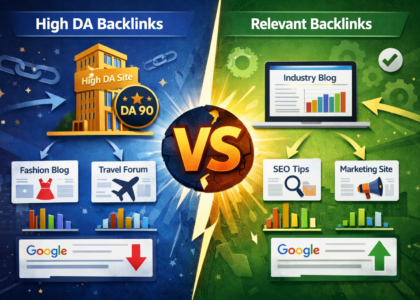
Step 3: Clean Up Backlinks After the August Spam Update
After the August 2025 Spam Update, link quality is more important than ever.
✔ Keep high-authority links
✔ Build real guest posts
✔ Get niche-related backlinks
✔ Maintain natural anchor text
❌ Avoid PBNs
❌ Avoid mass directory links
❌ Avoid paid link schemes
Tip:
Use Google Search Console → Links → Identify toxic links → Disavow.
Step 4: Fix Technical SEO
Improve site performance:
Speed under 2.5 seconds
Mobile-friendly design
Compress images
Fix broken links
Remove unnecessary plugins/scripts
Tools to use:
Google PageSpeed Insights
Search Console → Core Web Vitals
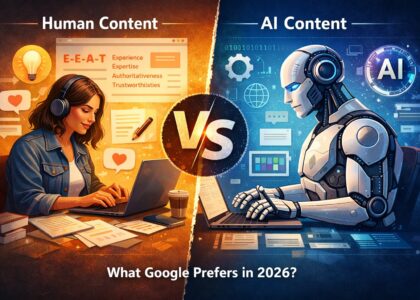
Step 5: Strengthen E-E-A-T Signals
Google rewards websites with strong trust and authority indicators.
Add:
✔ Author profiles
✔ Testimonials
✔ Case studies
✔ References to credible sources
✔ About page with company expertise
Step 6: Update Old Content Regularly
Refresh older pages with:
Updated stats
Latest trends
New data
FAQs
Better meta tags
Google prefers fresh and updated content.
Step 7: Monitor Search Console Weekly
Look for:
Coverage issues
Ranking drops
Indexing problems
Crawl issues
Manual actions
Link problems
This helps detect early signs of algorithm impact.
Checklist to Stay Safe During Google Updates
✔ Produce helpful, user-first content
✔ Avoid keyword stuffing
✔ Remove duplicate or thin pages
✔ Audit and refine backlink profile
✔ Improve speed and UX
✔ Keep content fresh and updated
✔ Focus on topical authority
✔ Maintain strong trust signals
Google’s recent updates especially the August 2025 Spam Update, Core Algorithm Update, and Helpful Content Update — focus strongly on user value, authenticity, trust, and content quality.
Websites that provide real value, expert knowledge, and a clean backlink profile will continue to grow in rankings.
If you follow this guide, your website will:
Stay safe during algorithm changes
Recover from ranking drops
Build long-term SEO stability
Attract consistent organic traffic