
1. The Big Picture: Why June 2026 Is a Turning Point
Search is no longer a list of ten blue links. Increasingly, queries are answered directly inside AI Overviews, AI Mode, ChatGPT, and Perplexity before a user ever clicks through to a website. That means success can no longer be measured by raw traffic alone. The new scoreboard includes:
- Visibility -does your brand show up across search and AI surfaces?
- Citations – does AI quote or reference your content as a source?
- Branded search volume – are people searching for your business by name?
- Conversions – are the people who do arrive actually taking action?
Generic, keyword stuffed content is fading into the background. What’s rewarded now is content that is specific, well structured, well sourced, and easy for both humans and machines to trust.
2. What Actually Changed in May-June 2026
A few concrete, dated updates define this moment in SEO:
Google’s May 2026 Core Update
Google rolled out another core update that continued pushing thin, AI-generated, low effort content further down the results. Sites with genuine expertise, original data, and clear authorship held up best; sites relying on recycled or “freshness-faked” content (changing dates without meaningfully updating information) were among the most exposed.
Google I/O 2026 and “Universal Cart”
At Google I/O 2026, Google unveiled sweeping changes to AI-powered search, including Universal Cart a shopping feature that lets users add products to a single cart directly from Search, Gemini, YouTube, and Gmail. For any business selling products or services online, this signals that structured product data and clean feeds now matter as much as on-page content.
FAQ Rich Results Were Removed
One of the most widely used schema features of the last decade FAQ rich results, the expandable Q&A snippets in search listings stopped appearing in Google Search as of May 7, 2026. Reporting in Search Console and the Rich Results Test for this feature is being phased out, with full API support ending in August 2026. If your SEO strategy leaned on FAQ schema for extra SERP real estate, that tactic no longer delivers the same payoff (though FAQ schema still has value for AI citation purposes more on that below).
A Dedicated AI Performance Report in Search Console
Google has started rolling out a section inside Search Console specifically for tracking how your pages perform inside AI-powered experiences like AI Overviews and AI Mode a clear sign that “ranking” and “AI visibility” are now treated as two separate, trackable metrics.
AI Citation Manipulation Now Counts as Spam
Google has confirmed that manipulating or gaming citations inside AI search results is treated as a spam violation, similar to link schemes in traditional SEO. This means tactics like fake review injection or citation stuffing are now a real risk, not just bad practice.
3. What Is “AI SEO,” Exactly?
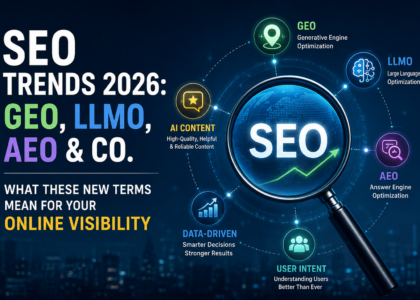
“AI SEO” is the umbrella term people use for optimizing your website so that AI systems not just traditional search engines find, understand, trust, and cite your content. It actually breaks into a few related disciplines:
- GEO (Generative Engine Optimization): Structuring your content so AI tools like ChatGPT, Perplexity, Gemini, and Google’s AI Overviews are more likely to cite you as a source when generating an answer.
- AEO (Answer Engine Optimization): Formatting content clear questions, concise direct answers, structured data so a system can pull a precise answer straight from your page.
- LLMO / AIO: Other names for roughly the same goal: become a source large language models trust and reference.
Here’s the key mechanical difference from traditional SEO: when someone asks an AI assistant a question, the AI typically doesn’t search your exact phrase. It breaks the question into smaller sub-queries (“query fan-out”) and searches each one separately, then synthesizes an answer from multiple sources. So instead of optimizing one page for one keyword, you need your content to comprehensively answer the cluster of related questions a real buyer would ask.
Why It Matters for a Business Like Yours
Even when users never click through to your website after reading an AI-generated answer, being cited still:
- Builds brand recognition and trust at the exact moment someone is deciding what to buy or who to hire.
- Increases branded search later (“as seen mentioned by ChatGPT” effect).
- Positions you as a recognized authority in your space, which compounds over time.
4. How to Acquire AI Visibility: A Practical Action Plan
Step 1: Get the Technical Foundation Right
AI crawlers need clean access to your site. Audit for:
- Fast load times and mobile-friendly rendering
- No fragile JavaScript-only content blocking crawlers
- Clear internal linking and logical site structure
- Updated XML sitemap and clean robots.txt (decide deliberately whether to allow AI crawlers like GPTBot, PerplexityBot, and Google-Extended)
Step 2: Use Structured Data Strategically
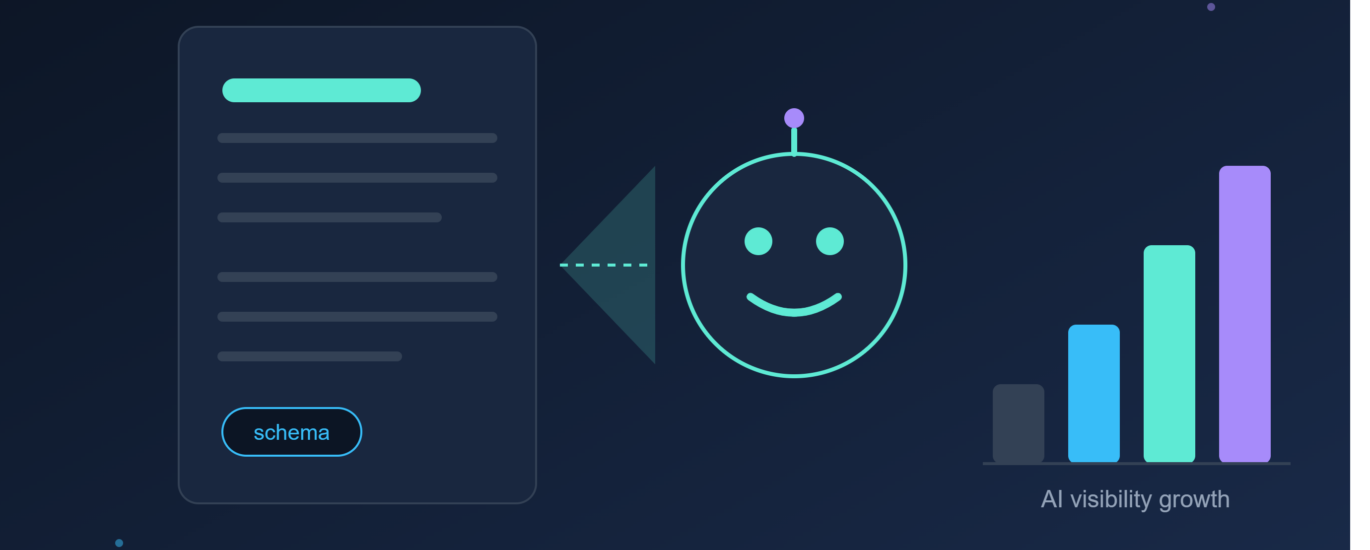
Schema markup is how you tell AI systems exactly what’s on a page, without ambiguity. Even with FAQ rich results gone from the SERP, structured data is still valuable for AI comprehension:
- Article schema – clarifies authorship, publish date, and topic
- Product & Review schema – critical for any e-commerce or service comparison content
- HowTo schema – useful for step-by-step guides
- Organization/LocalBusiness schema – strengthens entity recognition for your brand
Step 3: Build Genuinely Citable Content
Research on what makes AI systems more likely to cite a page points to a few concrete levers:
- Add expert quotes and named, credentialed authorship
- Include original statistics, data, or case studies not recycled stats from other blogs
- State sources and cite where your own claims come from
- Answer questions directly and early in the page, then go deeper
Step 4: Strengthen E-E-A-T (Experience, Expertise, Authoritativeness, Trustworthiness)
- Show real author bios with credentials
- Publish original insights from your actual work or industry experience
- Collect and showcase genuine customer reviews
- Get mentioned and linked from credible third-party sites (PR, partnerships, guest contributions)
Step 5: Show Up Beyond Your Own Website
AI systems pull from the whole web, not just your domain. That means your presence on Reddit, Quora, YouTube, review platforms, and industry directories now directly feeds how AI describes your brand. Engage authentically in these spaces don’t just drop links.
Step 6: Track the New Metrics
Stop relying solely on rankings and clicks. Start monitoring:
- AI citation share – how often and accurately you’re referenced across ChatGPT, Perplexity, and AI Overviews
- Referral traffic from AI platforms (chatgpt.com, perplexity.ai, gemini.google.com) in your analytics
- Branded search volume in Search Console
- Sentiment accuracy – is AI describing your brand correctly?
5. The Part That Hasn’t Changed
Despite all this disruption, the fundamentals are still the foundation everything else is built on:
- Helpful, original content that actually solves a real problem
- A fast, technically clean, trustworthy website
- Clear answers to real search intent
- A site that’s easy for both humans and machines to understand
What’s different in 2026 is that these fundamentals now need to perform in two environments at once traditional search results and AI-generated answer layers.